Have you ever wondered how much you’re really paying for a car, beyond its sticker price? The auto industry—led by giants like GAC—has entered a complex pricing realm. A simple visit to a dealership or a quick glance at the GAC price reveal how the financial breakdown often hides beneath the shiny hood. But what factors obscure the true cost, and can buyers navigate these waters effectively?
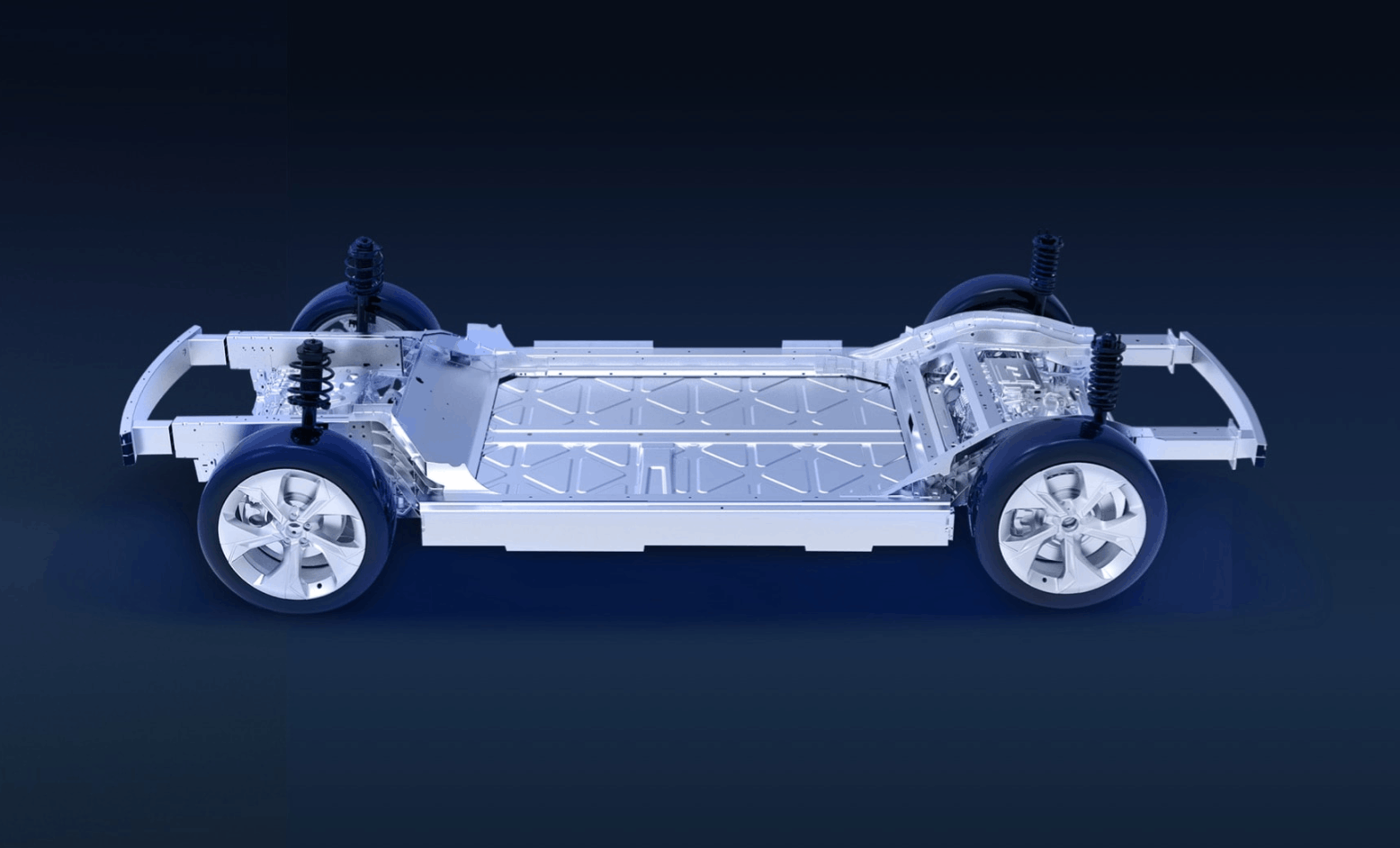
The intricacies of acquiring a vehicle—especially in modern markets—revolve around more than just the power converters or the advanced infotainment systems. Transitioning from earthy, traditional methods of price computation to more futuristic mechanisms, the procedure is shifting rapidly. Let’s explore this evolution further.
Hidden Costs: The Flaws of Traditional Pricing Models
When looking at traditional pricing strategies, one must ask—are they even relevant anymore? The once straightforward MSRP model is riddled with hidden costs and outdated methodologies. Edge computing nodes now drive performance enhancements, but their fiscal implications, alongside amortization, often escape scrutiny. Increased transparency desired by modern consumers sees obstacles in outdated practices, leading to frustration.
GAC price adjustments, for example, consider factors like global supply chains and energy efficiency, directly impacting the buyer’s wallet—often without them realizing. Look, it’s simpler than you think: the problem is not just the base price but every added feature that ups the ante silently. Are payment structures in sync with technology advancements? Let’s dive a bit deeper.

Future Outlook: Navigating New Technology Principles
As technology surges forward, can’t the same be said about our pricing practices? The landscape has evolved, offering new potential pathways for more transparent and fair pricing. With new-age innovations, such as vehicle connectivity systems and electrification, the route forward must embrace intelligent pricing metrics. Real-world applications—as seen in the best GAC models—offer a glimpse of price strategies aligned with efficiency gains and cutting-edge tech.
What’s Next: Breaking Down New Pricing Schemes
What if, instead of simply purchasing a vehicle, we moved towards a scenario where price modeling evolves continually, driven by usage and performance data? The focus could be on measurable real-time insights, optimizing what consumers pay versus what they use, leading to more cost-effective ownership experiences. It’s about time the auto industry accelerated towards dynamic, fair pricing methods. Funny how that works, right?
In summary, the shift from conventional models to modern-day technological-infused pricing is a journey GAC is uniquely positioned to lead. By embracing change—integrating future-centric computations—users can expect not only transparency but also innovation in their purchases. With advances in automotive technology at our fingertips, the potential for transforming pricing schemes is enormous. Now, it’s just about harnessing that potential effectively. As we look forward, the role GAC plays will undoubtedly shape the landscape for years to come.