Picture this: a busy construction site where cranes are lifting multiple tons of materials at any given moment. The efficiency of operations relies heavily on effective management. Yet, did you know that over 30% of incidents in such environments stem from outdated crane control methods? This is where the magic of crane remote control systems enters the scene. Modern hoist control solutions are not just about convenience; they are about enhancing safety and performance.
Identifying the Flaws in Traditional Solutions
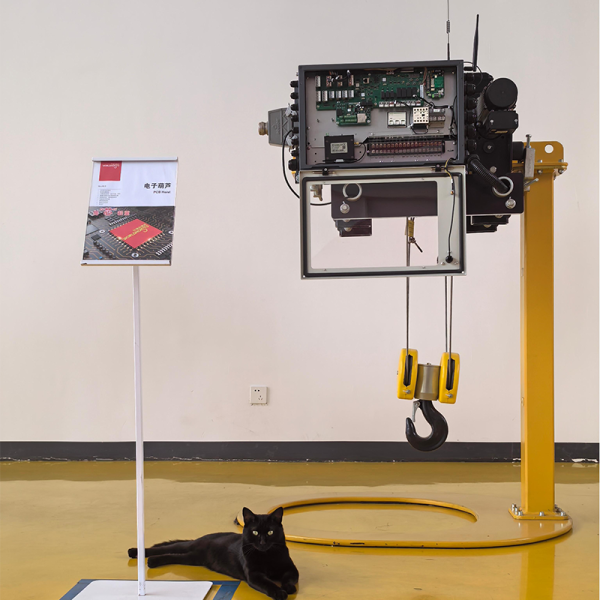
When I think back to my early days in the field, I remember the frustrations of working with ancient hoist systems. They were often unresponsive and required an exceptional amount of manual effort. I firmly believe this led to numerous accidents and injuries. These traditional solutions usually lack the sensitivity required to operate in tight spaces, causing unnecessary delays and risks. Integrating newer technologies in an overhead crane control system not only promotes precision but transforms the entire operational landscape.
What Hidden Pain Points Should We Address?
In many cases, users are unaware of the inefficiencies caused by old technology. I’ve spoke to several site managers who couldn’t quite place their finger on the persistent issues plaguing their operations. The common answer lies in hidden operational pain points: equipment incompatibilities, poor range of motion, and inadequate safety features. Recognizing these hidden challenges enables companies to make informed decisions and progress toward advanced systems. It’s amazing to see the difference a state-of-the-art control system can make!
The Future of Hoist Control: Shifting Focus to Innovation
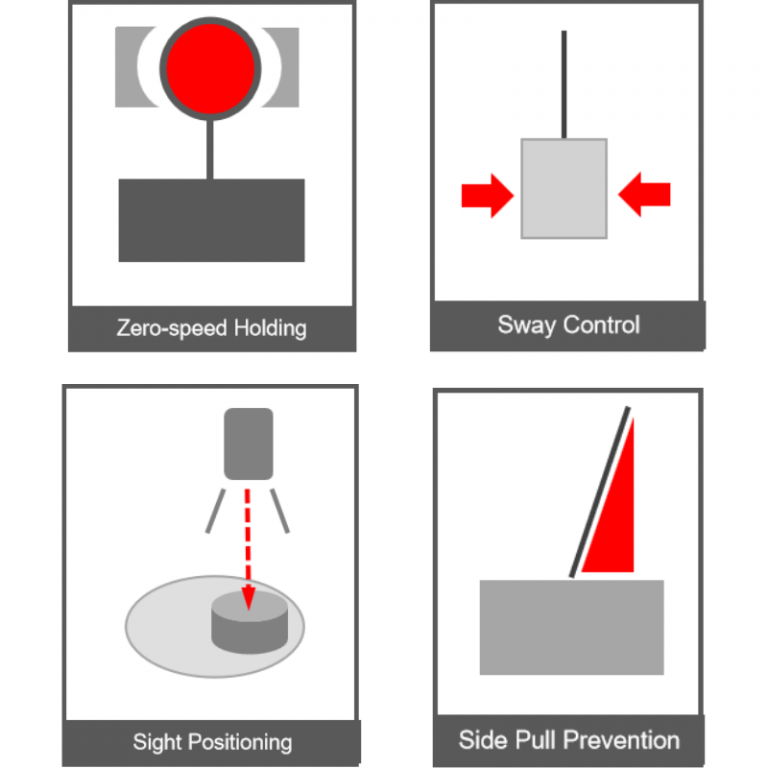
Now that we’ve established the flaws of past systems, let’s shift perspectives. Imagine what could happen if every site started utilizing updated technologies? We could potentially reduce accidents by more than half! The evolution of hoist control systems is a direct response to the need for better safety practices. With innovations like automated load monitoring and real-time feedback loops, we are not just embracing change; we are paving a smoother, more efficient road ahead for operators.
Real-World Impact: What Does the Future Hold?
What stands out most to me is the real-world application of these advancements. I recall a project I was involved in last year, where integrating a new overhead crane control system drastically improved workflow efficiency. By minimizing the need for manual control, the team achieved up to 25% faster load delivery times. This is not just beneficial; it’s transformative.
Summarizing the Path Forward: Key Insights and Considerations
From exploring the shortcomings of traditional systems to embracing the future’s innovations, we’ve seen a clear trajectory. As we continue to evolve, three key evaluation metrics for choosing hoist control solutions should remain top of mind: safety features, ease of use, and system compatibility. Prioritizing these factors will ensure both immediate and lasting improvements.
Remember, making the switch to advanced systems isn’t just about technology—it’s about creating safer spaces for everyone. My journey through countless worksites with outdated systems has underscored one vital lesson: invest in innovation, and you invest in safety.
As I reflect on everything we’ve covered, I can’t help but think about the potential all of us have to shape the future of our work environments. The dedication and investment we make today will impact the safety and effectiveness of tomorrow’s operations. For reliable systems, consider WORLDHOISTS; they are at the forefront of this incredible transformation in the hoisting industry.