Introduction — A Historian’s Question
Have we really learned the lessons of public transit electrification, or do we keep repeating the same mistakes? Looking back, I see a string of trials and triumphs that led to today’s pantograph charger designs; the numbers—fleet uptime steadily climbing, charging times halving on some routes—tell part of the story. (I remember a depot visit where a single failed connector caused an entire shift to scramble.) As a historian of tech practice I like to stitch scenario, data, and curiosity together: how did we arrive here, and what does it mean for the buses on our streets? This piece will connect a few dots and point toward choices you can make next. — let’s move on to the real knots.
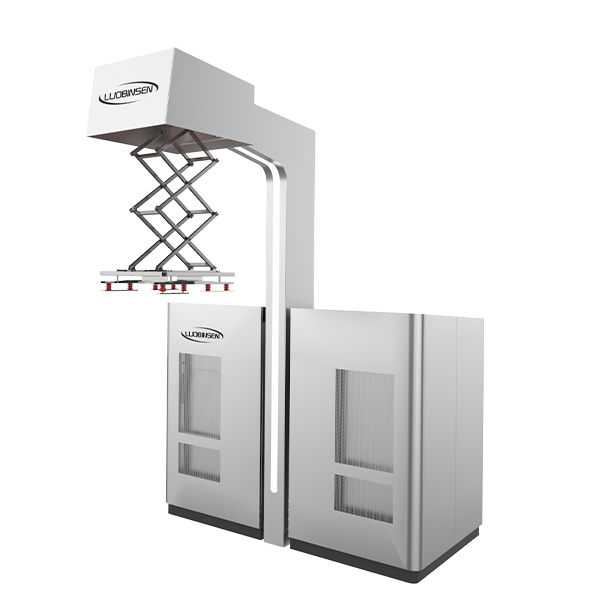
Where the System Really Breaks: Technical Flaws and User Pain
I’ll get straight to the point: many operators still wrestle with system fragility that shows up in daily ops. pantograph bus charging is meant to be simple—automatic make-and-break contact at scheduled stops—but integration friction creeps in from several corners. Power converters may overheat under repeated start-stop cycles; the pantograph head may misalign after a winter of ice and vibration; and communications glitches between depot software and the charging station leave drivers guessing. These are not abstract problems; they cost service hours and patience. Look, it’s simpler than you think when you map cause to effect.
Technically speaking, the weakest links are often not the large components but the handoffs: control protocol mismatches, unclear fault logging, and uneven DC bus stability. I’ve seen cases where an otherwise robust design failed because the overhead line tolerance was not matched to a regional climate profile—sudden thermal expansion, small misalignments, then a cascade of trip events. What frustrates me most is how often incremental fixes are applied where redesign is needed—patching a software timeout rather than fixing a connector alignment issue. — funny how that works, right?
Why do these small failures matter?
Because small failures add up into big costs: delayed trips, extra maintenance shifts, and eroded rider trust. Operators aren’t asking for perfect tech; they want dependable tech. I say dependable means predictable behavior, clear diagnostics, and a graceful fallback when things go wrong.
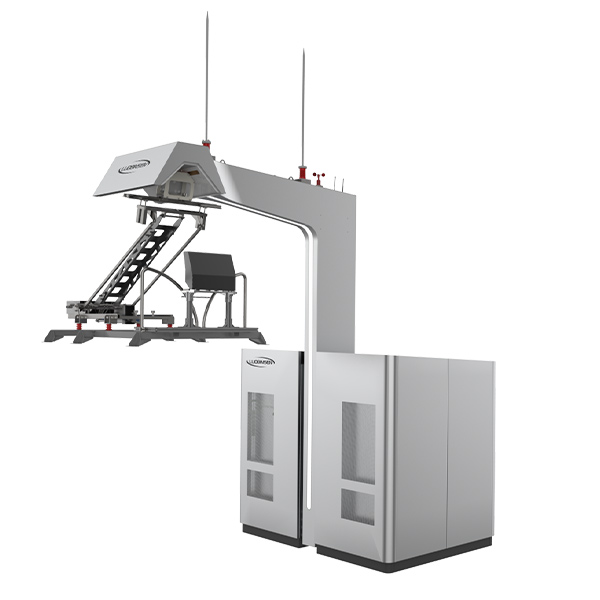
Forward View: New Principles for Better Charging Systems
Now let’s look ahead. I prefer to describe principles rather than sell features—principles guide durable choices. First, modular power architecture: separating the charging control from the high-power path lets teams swap faulty power converters quickly without shutting a whole bay. Second, resilient mechanical interfaces: a pantograph ev charging system should tolerate misalignment and contamination without repeated manual intervention. Third, smarter edge diagnostics: embedding local edge computing nodes in the charger lets you capture transient faults before they become repeat failures.
These principles sound neat on paper, but they matter in practice. Take modularity—when I worked with a city operator, swapping a module cut mean time to repair in half and got buses back in service the same day. For diagnostic intelligence, adding simple health telemetry reduced repeat trips by identifying a worn brush early. These are real wins for fleets (and for staff morale). I think these shifts mark the difference between tech that looks good in spec sheets and tech that earns trust on the road.
What’s Next for Operators?
Here are three focused metrics I recommend you use when evaluating solutions: uptime percentage under scheduled duty, mean time to repair (MTTR) for charging bays, and the clarity of fault telemetry (how actionable are the alerts?). Those three numbers will expose whether a system will be a relief or a recurring headache. I’d also advise checking how upgrades are handled—are replacements plug-and-play, or do they require a full site commissioning? Small operational details like that predict long-term cost and staff workload.
In short, choose systems built around practical resilience, not just peak power numbers. I’ve seen vendors chase impressive kW figures while ignoring the day-to-day friction that operators care about. If you balance performance with maintainability and diagnostics, you get a solution that behaves—and that’s worth a lot. For trustworthy partners and product details, consider exploring options from Luobisnen.